On Empathy
It's not what you think.

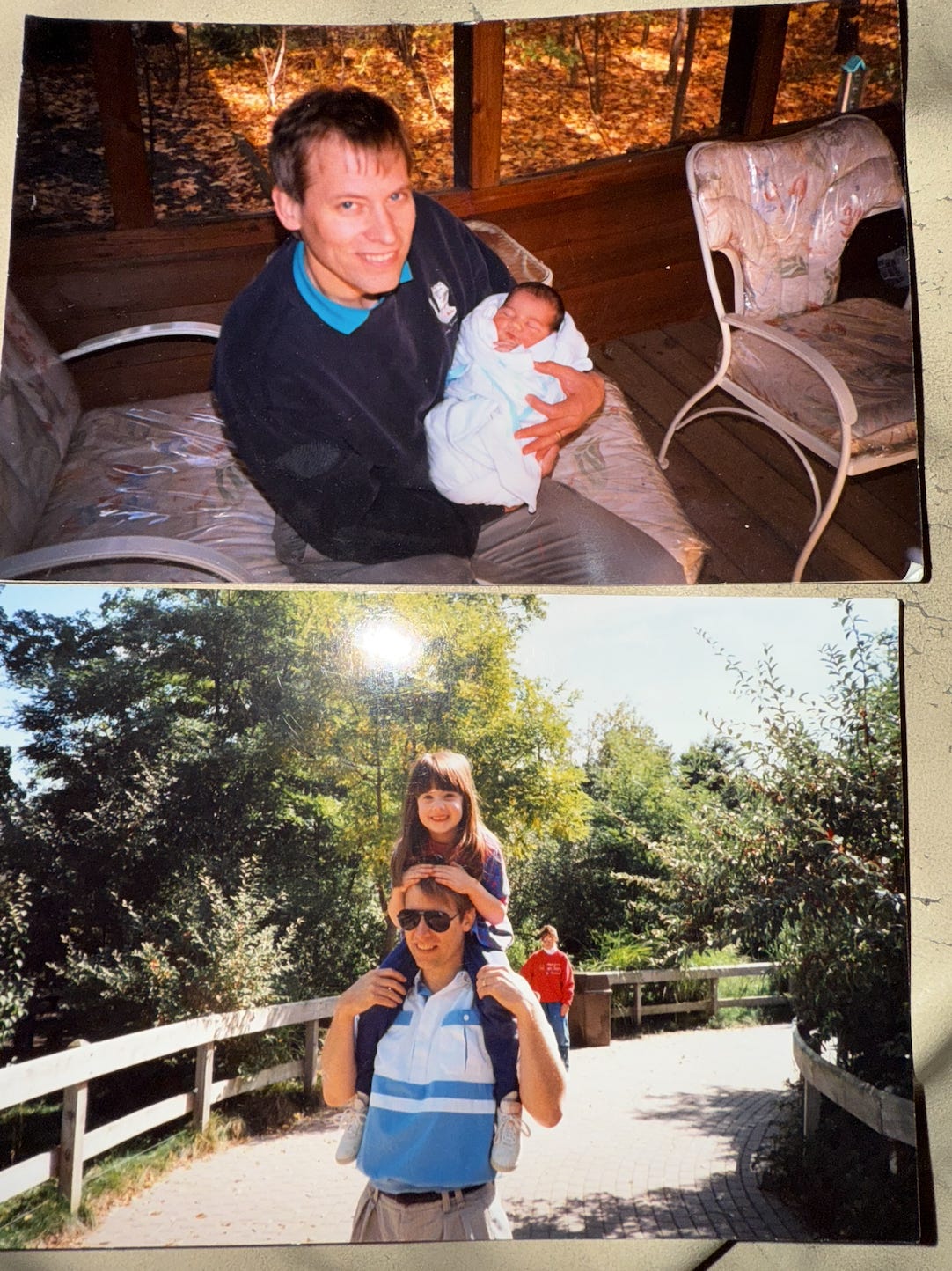
This time last year, I lost my beloved Nana. My mother’s mother passed away after years of declining health and a terrible fall in her kitchen. She bled. She was confused. She begged to live until she couldn’t fight any longer. She died a few days into home hospice, and the version of me that she uniquely saw, heard, and loved died with her.
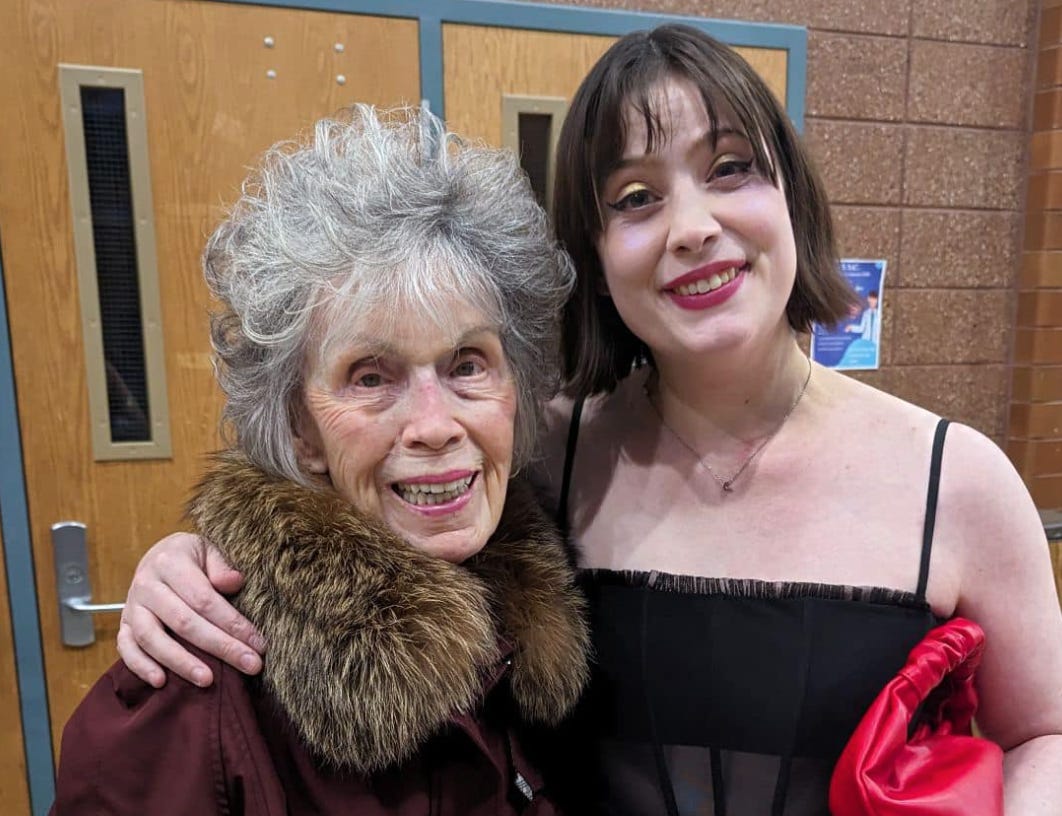
A year later, my remaining grandmother has also just passed away. Difficult decisions have been made by the people closest to her. The week has been a whirlwind of sympathies, support, and hugging the non-huggers. When I originally drafted this post, my grandmother was still with us but declining. I had a feeling that my father would need more support than he realized, then, and I was right.
This is the part of the Substack post where I’m about to perhaps get a little contentious. I’m not a typical griever. I cry over dumb, shallow things. I cry when I’m frustrated. I cry to sad songs and films that are especially moving. I even make myself cry sometimes with my own writing, when the reasons for putting it onto the page are resonant and raw enough.
I don’t tend to cry very much when people die. Even people I love, even people I couldn’t imagine my life without. It’s not that I don’t feel grief. It’s not that I don’t care. My emotional reaction is somber, slow, and often delayed. What I feel is powerful and important… just not more than what anyone else feels.
Which brings me to the phenomenon of self-described “empaths.” To hear them tell it, they are the opposite of narcissists. They claim to be uniquely and powerfully attuned to the emotions of others, to the point of experiencing those emotions just as strongly as the person feeling them. They’re basically Counselor Deanna Troi from Star Trek: The Next Generation, as if her character was ever not just a little bit ridiculous.
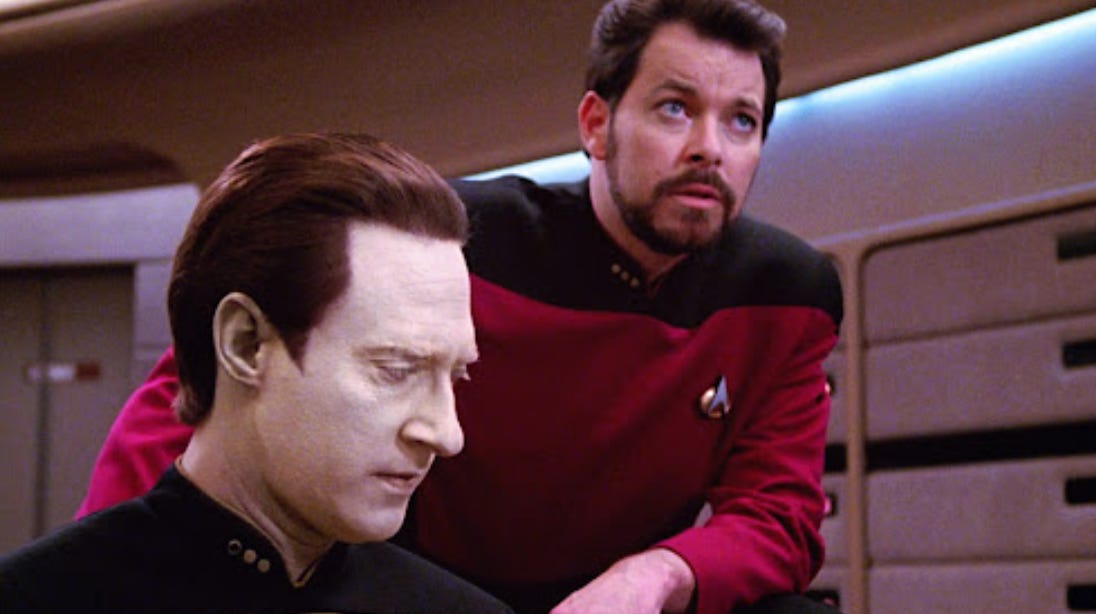
Empathy is real and beautiful. It’s something we all feel to varying degrees as a social species that relies on it for survival. Empathy is a combination of the ability to read subtle verbal and nonverbal cues, as well as lived experience and compassion. It connects us as human beings and allows us to relate to each other. It’s a skill that can be developed with thought and reflection, or honed by the trauma that taught us to tread lightly around those prone to sudden mood shifts, explosive anger, or abusive behavior.
There are lots of things empathy isn’t, though. And while this may be difficult for some to hear, real and fake “empaths” are like real and fake wizards, psychics, or mediums. It’s your right to believe that some have an amplified and possibly metaphysical ability to absorb, vicariously experience, and reflect the emotions of others, but many will disagree with you. And their feelings matter just as much as yours, especially when they’re the ones actually close to a tragedy.
Frequently, the last thing a person who is grieving wishes to hear is that you “know exactly how they feel”, especially if you insist on performative weeping and wailing to make up for perceived inadequacy on their part. You know, because if they were really sad, and felt things with the depth and complexity you do, they’d be crying more. Everyone knows that crying means sad, silly. You’re so lucky you’re not an empath. It’s a blessing and a curse, you know.
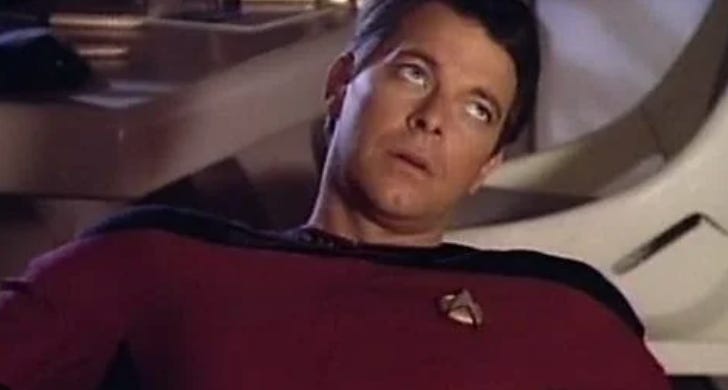
Here’s a numbered list of things empathy is not, and behaviors I’ve witnessed over the years from people who believe that they have heightened and even spiritual amounts of it. Maybe this is not what “empath” means to you, but those professing it’s what they are the loudest might actually be the most blithely hurtful, and the worst at reading a room.
1. “I’m an Empath (but Only When the Emotions are Negative)”
You can see examples of people powerfully feeling each other’s powerful feelings everywhere, all the time. At stadiums, movie theaters, parties, and concerts, there are similar levels of energy, similar stimuli, and similar vibes. The same is true during situations involving mass confusion, panic, or crisis. Children look to their parents for clues on how to react to new people and events and model that behavior. If someone tells a joke we think is funny but no one else is laughing, we might bite the inside of our cheek to make sure we’re not the only one revealing a twisted, sick sense of humor.
So, why is it that “empaths” always seem to reflect the worst, exclusively? Death and disaster seem to bring out the neighborhood empath without fail, and often, there’s overlap with the neighborhood Captain Hindsight.
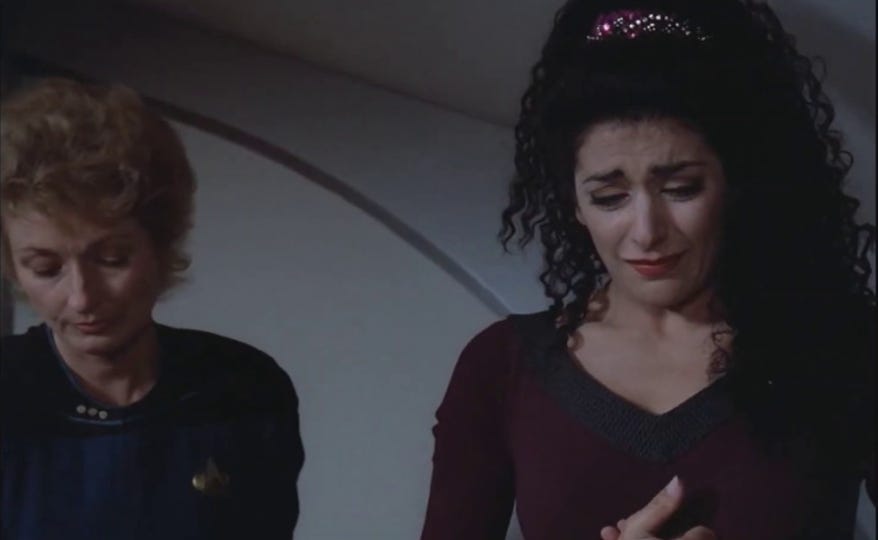
They will attend every funeral, rush to every death bed, and sniffle and sob their way through every candlelight vigil. Strangely, the barbecues, birthday parties and graduation open houses don’t seem to interest them as much, and if they do attend, they’ll find the one tiny drop of “negative energy” in the whole place to powerfully feel.
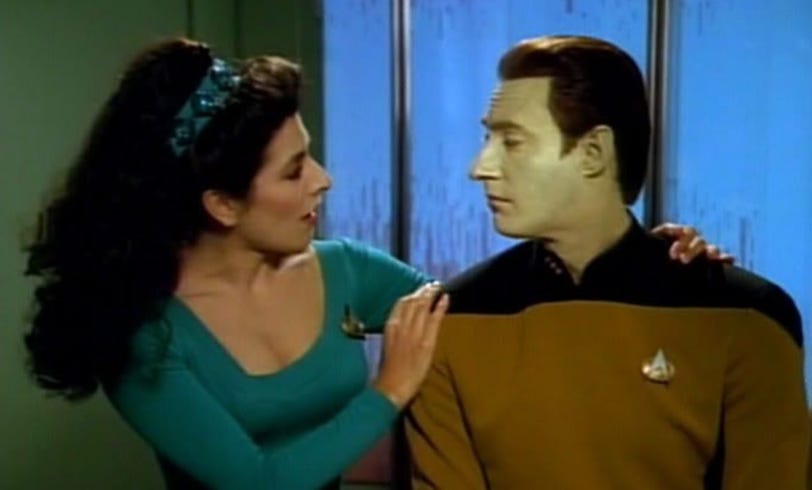
2. “You’re Not an Empath Like Me. You Could Never Understand.”
Because nothing comforts a person like elevating your own status, condescension, and arrogance! The irony of this is that no one truly knows what’s going on in someone else’s head or heart. Not truly. At best, we can guess about motives and sincerity but at the end of the day, your emotions are your own. So are theirs. Reaching out is always a wonderful and thoughtful gesture, of course, but there are as many ways to grieve and feel as there are human beings on this planet.
You may feel that you are very good at feeling the emotions of others. You may be kind-hearted, gentle, and caring. If that’s genuinely true, you also know when respectful distance and thoughtful listening matter more than confidently telling someone else that you’re basically in their thoughts, right now, judging the depth of their grief like Anubis measuring their heart against the weight of a feather.
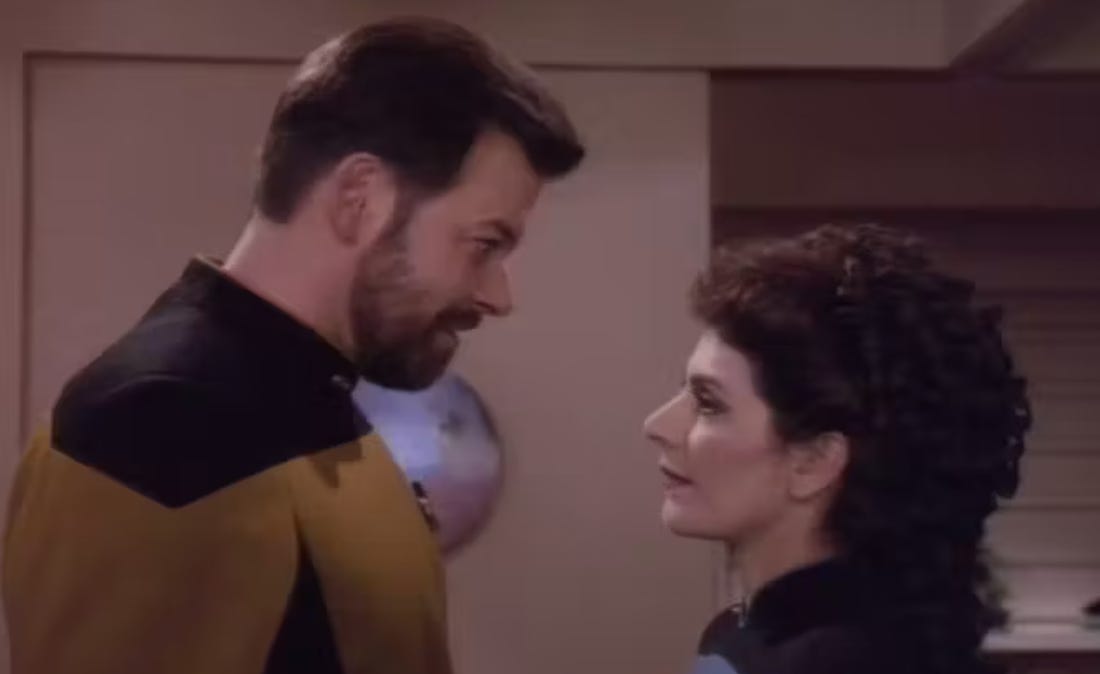
3. “I Project My Own Negative Emotions Onto Others.”
There are a lot of negative emotions in the world. Envy, shame, and awkwardness, to name just a few. I’m not saying that every self-described empath is envious of the attention grievers receive, ashamed when they realize they’re sort of centering themselves in someone else’s story, or feel awkward around people who aren’t behaving like themselves in their time of loss. I’m just saying it’s very common, probably more than a lot of empaths believe.
Somewhere along the line, our collective empathy took a hit. Maybe it was the COVID-19 pandemic. Maybe it was the genesis of the internet and the resulting isolation, rage, and distrust it wrought. Feeling any empathy for our fellow humans at all might feel like an achievement these days, as most things do when they’re very difficult for us. This creates an ironic situation where a professed empath might actually have lower empathy than the typical baseline, to the point where they’re convinced that everyone else must have even less.
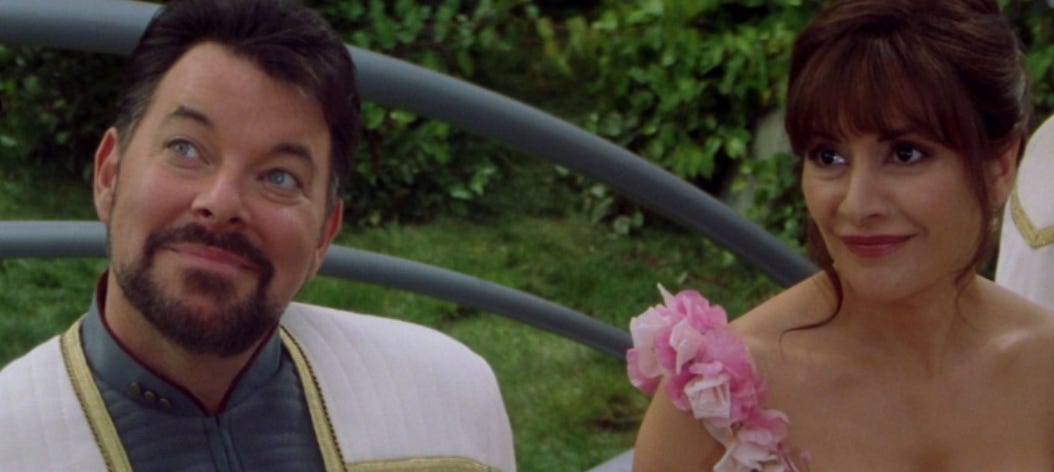
4. Empathy is Not Shaking and Crying Like it’s an Olympic Event and You Are Competing for Gold
You can cry when something sad happens. You can even cry when something sad happens to someone else. Some people ARE deeply sensitive; enough are that it’s actually expected for a significant number to cry at certain events. Weddings and funerals. Productions of Hadestown. Farewell gatherings. Let the tears flow, embrace your friends and family, and remember your loved one with all the authenticity in your heart.
But regarding personal tragedy, though, every single one has a blast zone. If you think of a target, the bulls-eye is the event, often a death, breakup, or other life-altering loss. Someone will be closest to that event. If it’s been you, you’re aware that it’s a chaotic and confusing time. Nothing will ever be the same, and you’re recontextualizing everything you thought you knew about survival. The world is different. How can the sun rise? How can the earth keep spinning? They’re gone, and you’re adrift. You don’t know if you’ll ever find your north star again.
Hey, look who’s here!
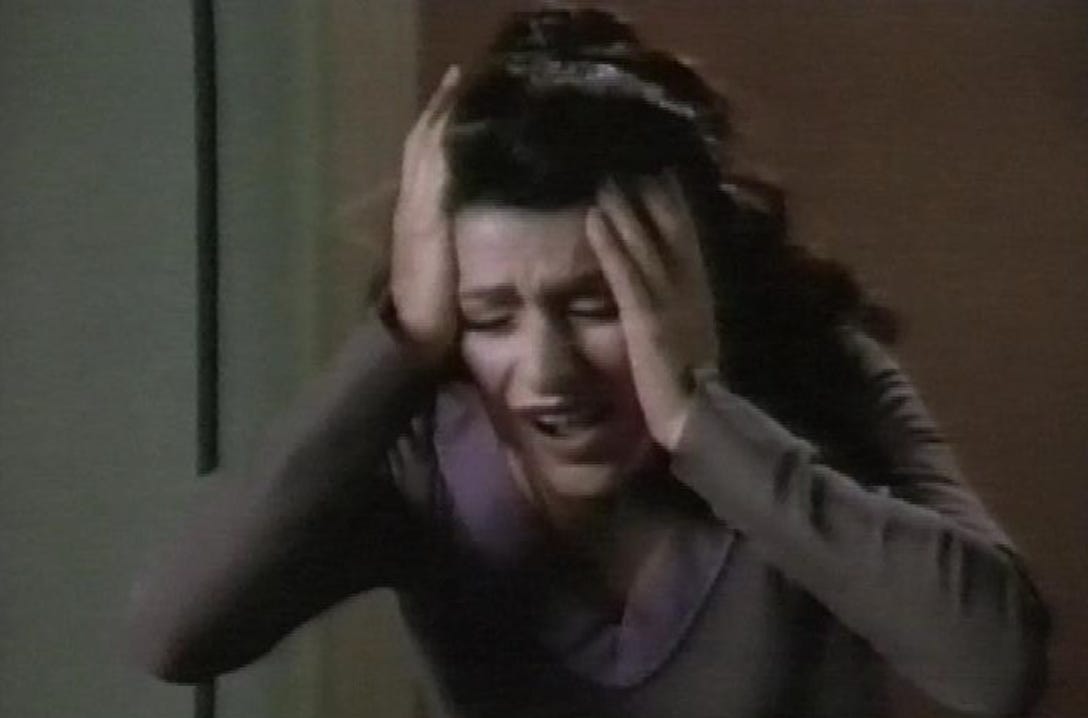
You’ve been crying all night, you’re doing your best to hold it together as you stand to politely greet and thank mourners who have come to pay their respects. In the midst of the soft, sniffling hugs and offers of tissues as you dab at the mascara you’ve given up on reapplying, she appears with all the subtlety of the Kool-Aid Man. Who is this distraught creature? Perhaps the departed’s daughter, or sister? Best friend? Mourners rush from your side to hers, because clearly she will faint if she’s not propped up by a wall of Kleenex.
What? She’s just the departed’s friend’s cousin’s dog groomer? …oh. Well, OK, then.
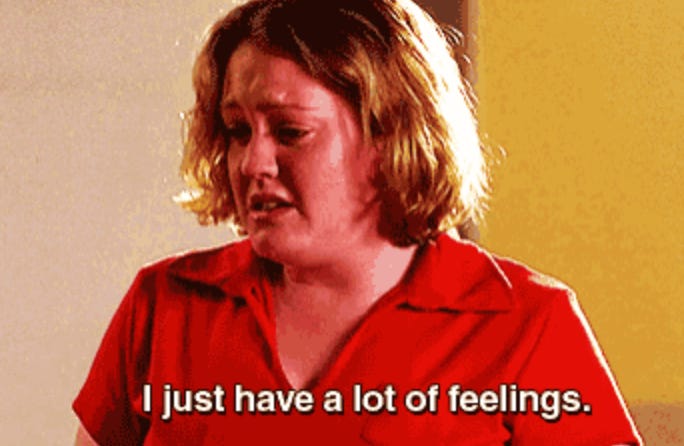
If you’ve ever had this person show up to a loved one’s funeral, I’m here to tell you that you’re not selfish or coldhearted. That wasn’t empathy; it’s emotional vampirism. They had no right to suck you dry on the worst day of your life, and I’m so sorry that happened to you.
If you’re seething at my heartlessness for someone who clearly just needed support after a SAD DEATH, well… maybe a moment of self-reflection would behoove and benefit you.
5. I’m an Empath, Not a Chef/Babysitter/Maid!
Hey, do you know what mourners really need?
Sometimes, they DO absolutely need someone to sit and cry with them. That can be cathartic and wonderful. Just as often, they need someone to cook casseroles and bring them over warm. Someone to watch their children while they take care of affairs. Someone to mow their lawn, feed their pets, fold their laundry, bring them a smoothie when they’re enfolded in the deep blackness of their loss. Someone to watch their favorite movie with them, even if you’ve seen it a million times and know every single joke and have it memorized.
My dear Nana would be the first to tell you that holding space, softly and quietly, and simply listening if they choose to share is one of the most powerful forms of support you can show to someone navigating a recent loss. She was one of the best listeners I knew, and yet the silence is empty and deafening now that she’s no longer here.
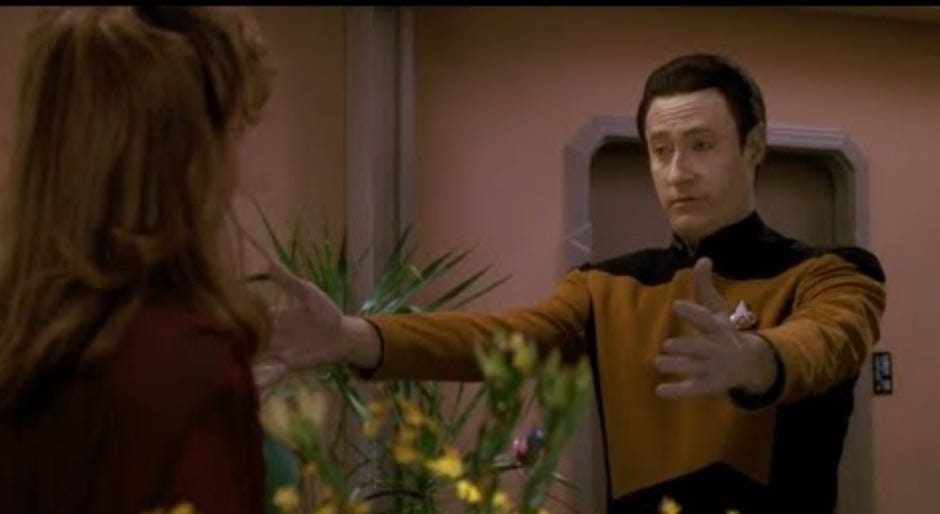
Conclusion: Knowing What the Griever in Your Life Actually Needs is the Strongest Indicator That You Have a High Degree of Empathy.
Empathy is strange. It’s startling sometimes. It seems simple but its definition is hotly contested. I’m here to say that as someone who likely has lower empathy than normal for neurological reasons, the realest empathy I’ve ever felt from others is not a reflection, it’s a connection. It is not a performance, it is a background role. It is not centering yourself in a tragedy, it is pouring strength and love into those closer to the blast.
Grandma Esther has embarked on her journey home after a long and difficult fight. I’m heartbroken; she attended as many of my concerts as her health allowed, including my last orchestra performance in May. She was resilient in her own quiet way before her dementia got bad. She was a poet who never believed her beautiful work was worth publishing.
I’m grateful, too, for all the empathy around me.
Thank you, Incia, for drawing a gorgeous photorealistic picture of my grandmother for my father and holding generous, listening space for my family.
Thank you, Emily, for taking time out of your life to make my father’s birthday wonderful for him by cooking a beautiful and delicious dinner.
Thank you, Aubrey, for coming up north, and watching our favorite movies with us as though you’ve known us for decades (it feels like you have.) Your passion for life and wisdom inspire me so much.
Thank you, Alicia, for being physically and emotionally present in the quiet hours when everyone else has gone home. You have more natural empathy than anyone I’ve ever known.
Thank you, brothers, for moving Grandma’s furniture out of her apartment and sitting with all of us for the lighthearted and somber moments without flinching or looking away.
Thank you Kylee, Ariane, and Marirose for the forward momentum of writers’ group and reminding me that there is so much wonder in store for our futures.
Thank you, Jean, for remembering the amazing woman my grandmother was and expressing your gentle condolences on Facebook. It’s been years. You’re still holding us in your heart as if we were your own family, and I’m still bowled over by your boundless love.
Thank you, Dustin, for moving heaven and earth so I can be with my parents, bunk off up north for the weekend, and do whatever I need to in order to be OK without worrying about you or the kids.
Thank you, Mom, for making others feel comfortable and welcome and fed and warm even though this all must be so triggering for you after the loss of your own mother.
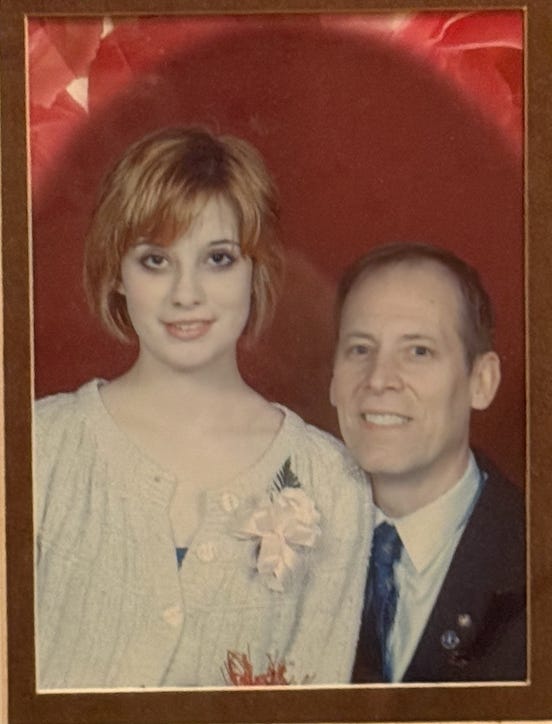
Thank you, Dad, for somehow continuing to be a rock for your family during your time of profoundest loss. I don’t know how you feel, but I’ve known and loved you long enough that I think I know what you need.